
Category: design
-
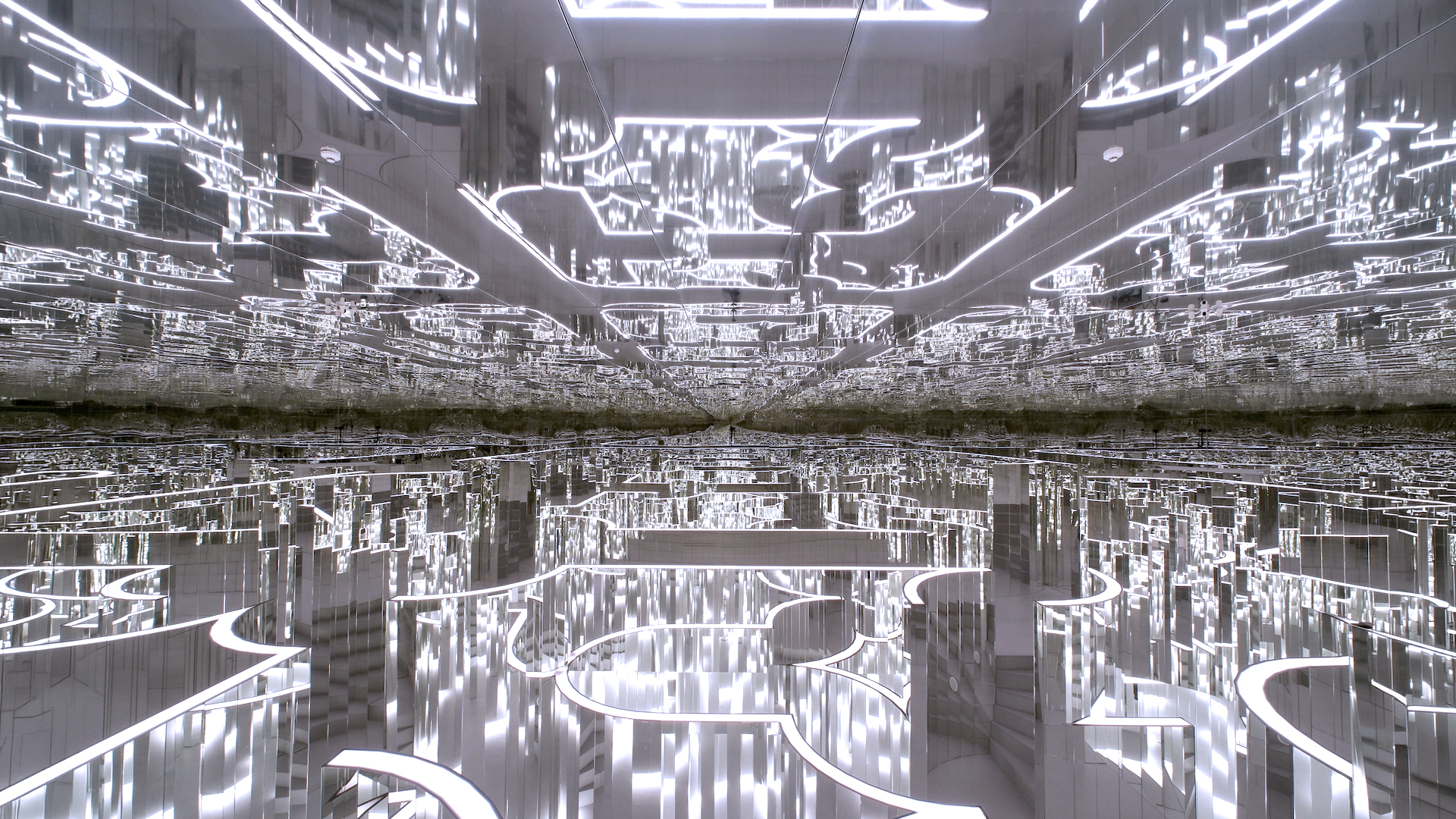
Imagining Tomorrow: Why Futures Need Images – Part II
The future cannot be observed, it must first be imagined. Building on Vilém Flusser’s philosophy of technical images, this essay explores why renderings, speculative visualizations, and concept designs are more than representations of tomorrow. They are cognitive instruments that transform uncertainty into shared imagination, shaping the futures societies are willing to build.
-
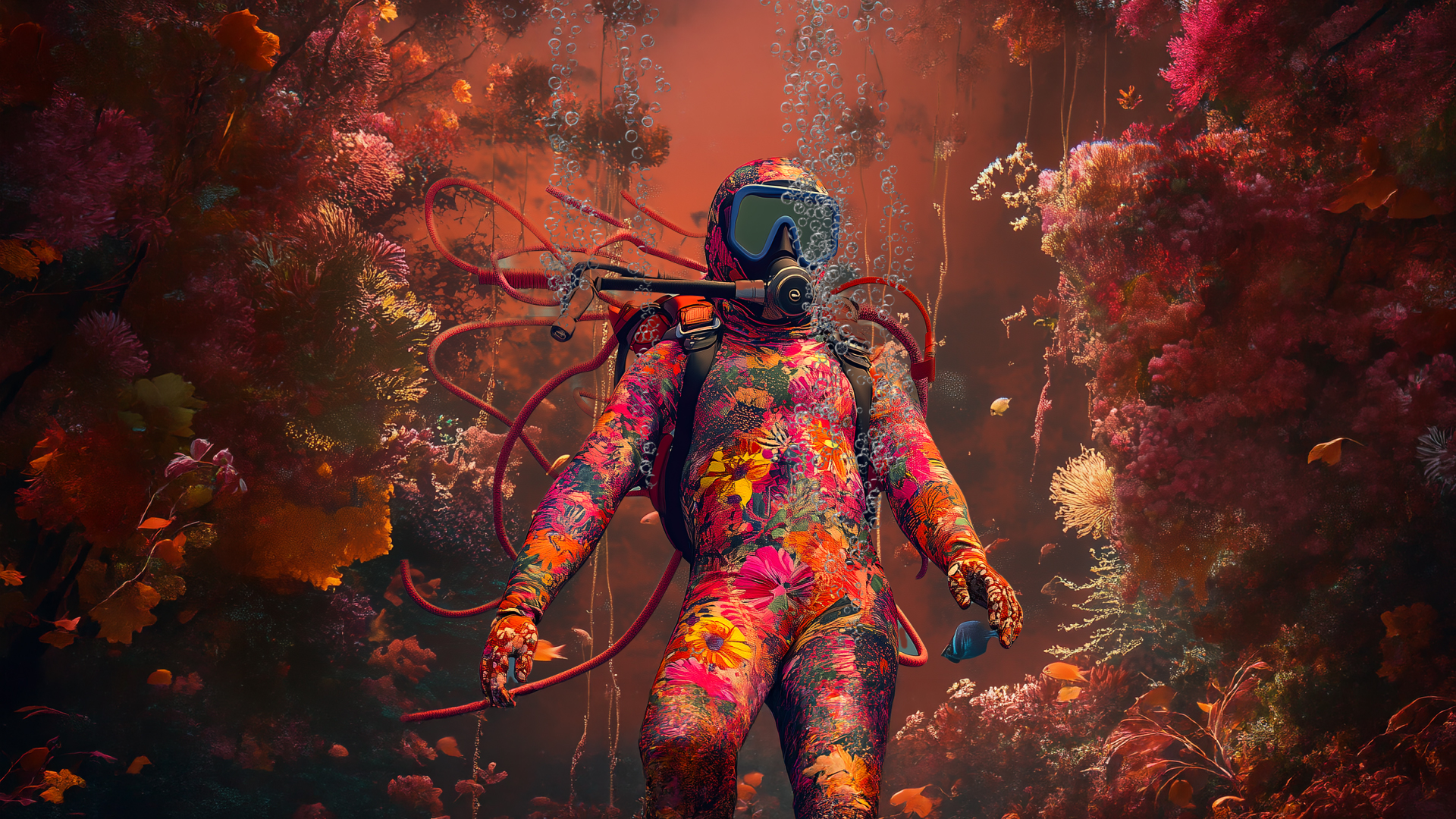
Imagining Tomorrow: Why Futures Need Images – Part I
The future is never experienced directly. Before it becomes technology, architecture, or innovation, it first exists as imagination. This essay explores why images are among design’s most powerful tools for making possible worlds thinkable.
-
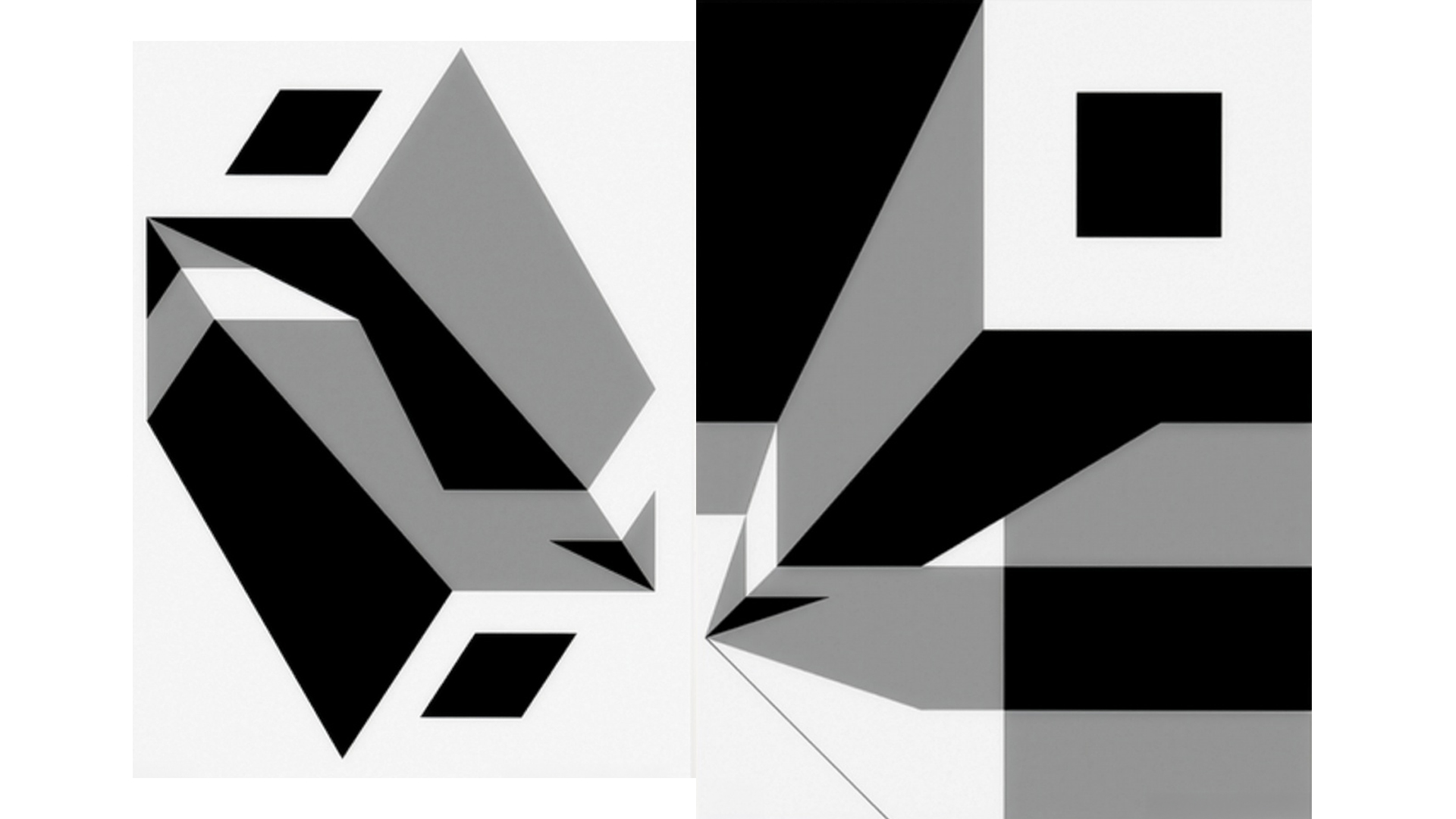
Visual Thinking as Design Practice
Design is often understood as a discipline of communication. But what if its primary role is not to communicate ideas, but to generate them?
-
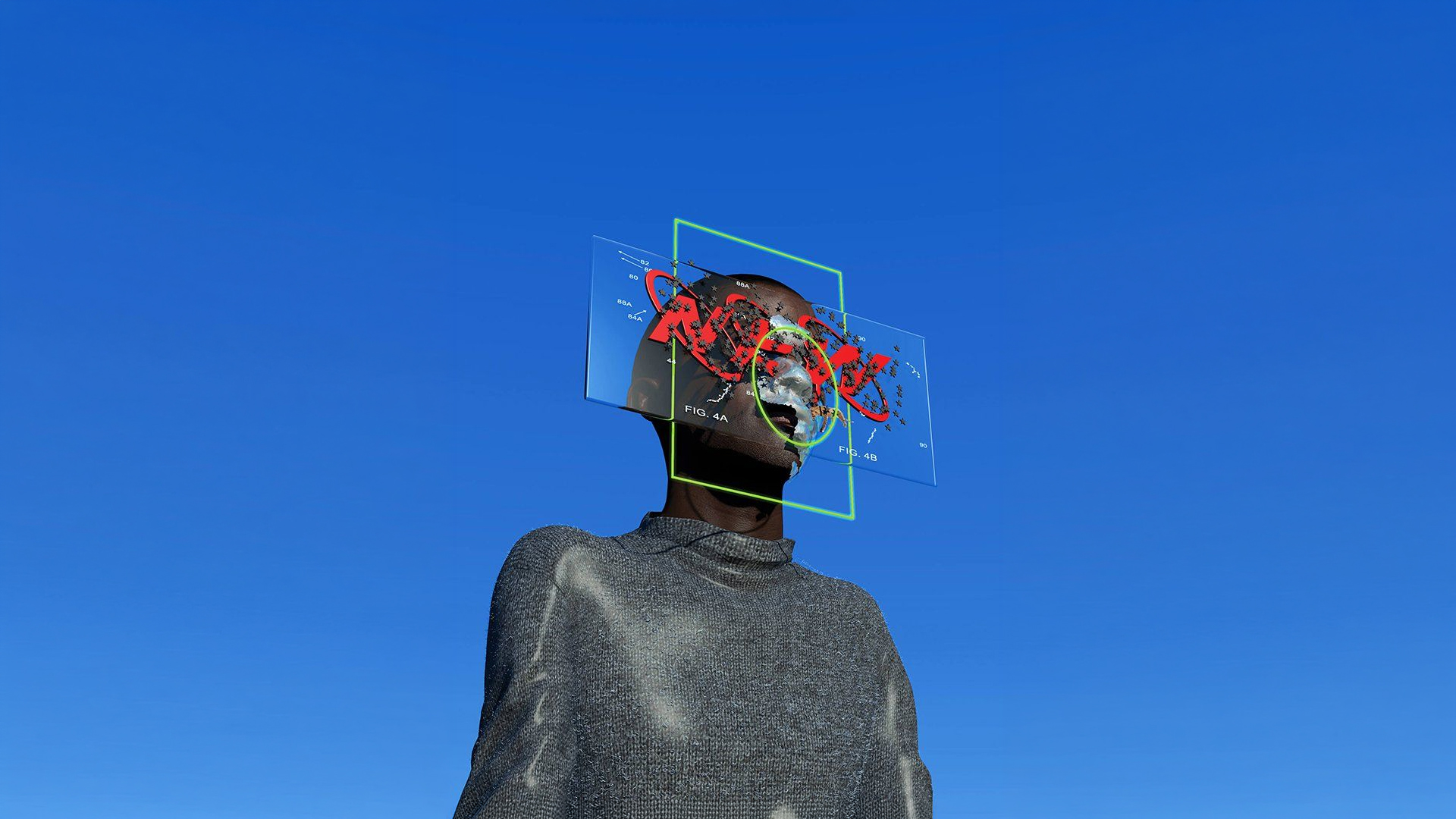
When Digital Tools Become Environments
Marshall McLuhan’s famous dictum “We shape our tools and thereafter our tools shape us” seems more relevant than ever in our age. This article explores how technologies evolve from tools into environments, shaping habits, attention, and expectations, and why this shift places new responsibilities on UX and UI designers. Design increasingly operates not at the…
-

From Dada to Data: What Contemporary Generative Design Can Learn
At first glance, the experimental collages of Dada and today’s generative design systems seem to share a common logic: fragmentation, recombination, and the use of existing material. Yet their cultural intentions could hardly be more different. While artists such as Raoul Hausmann, Hannah Höch, and Kurt Schwitters used disruption and contradiction to challenge established systems…