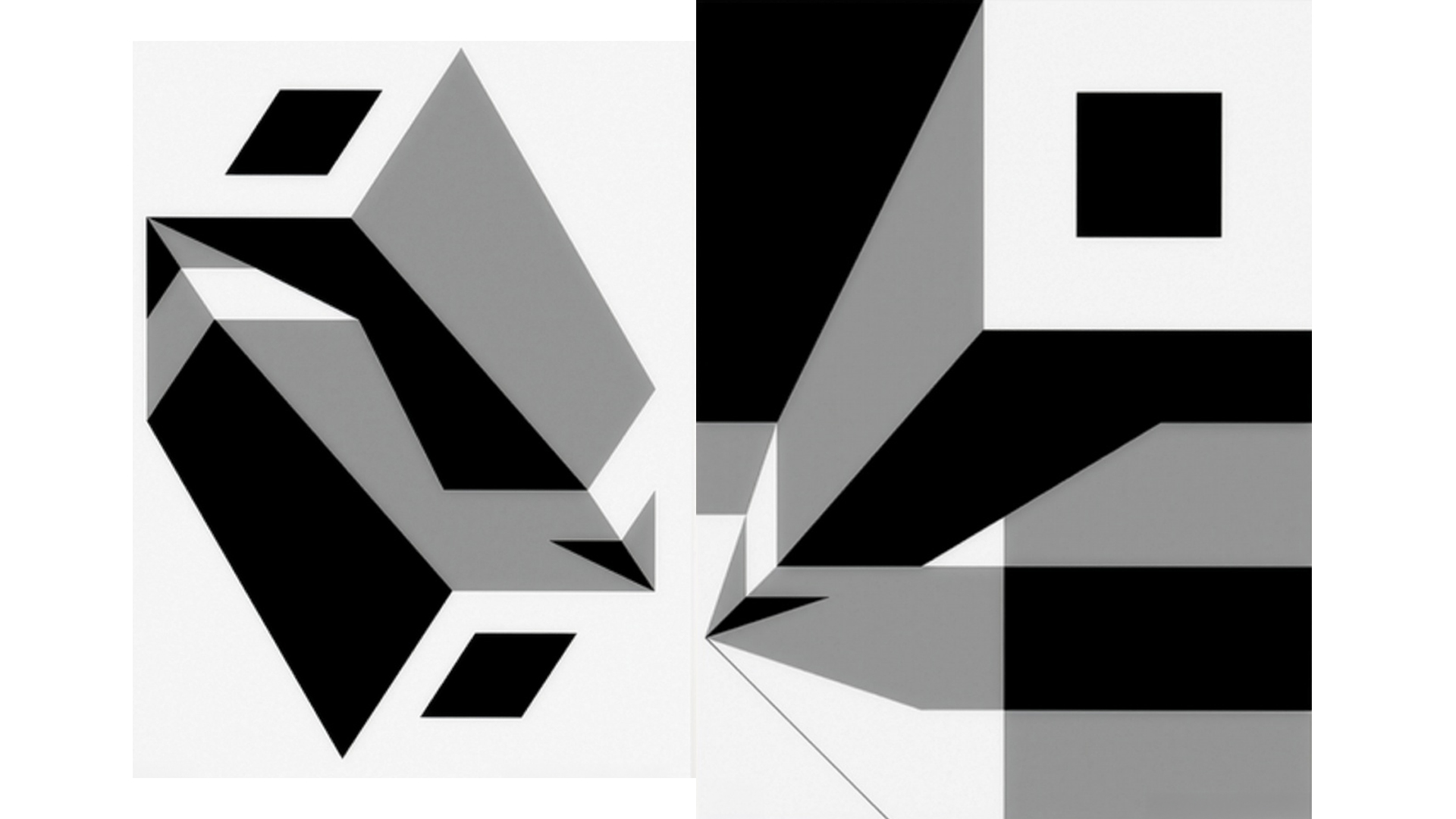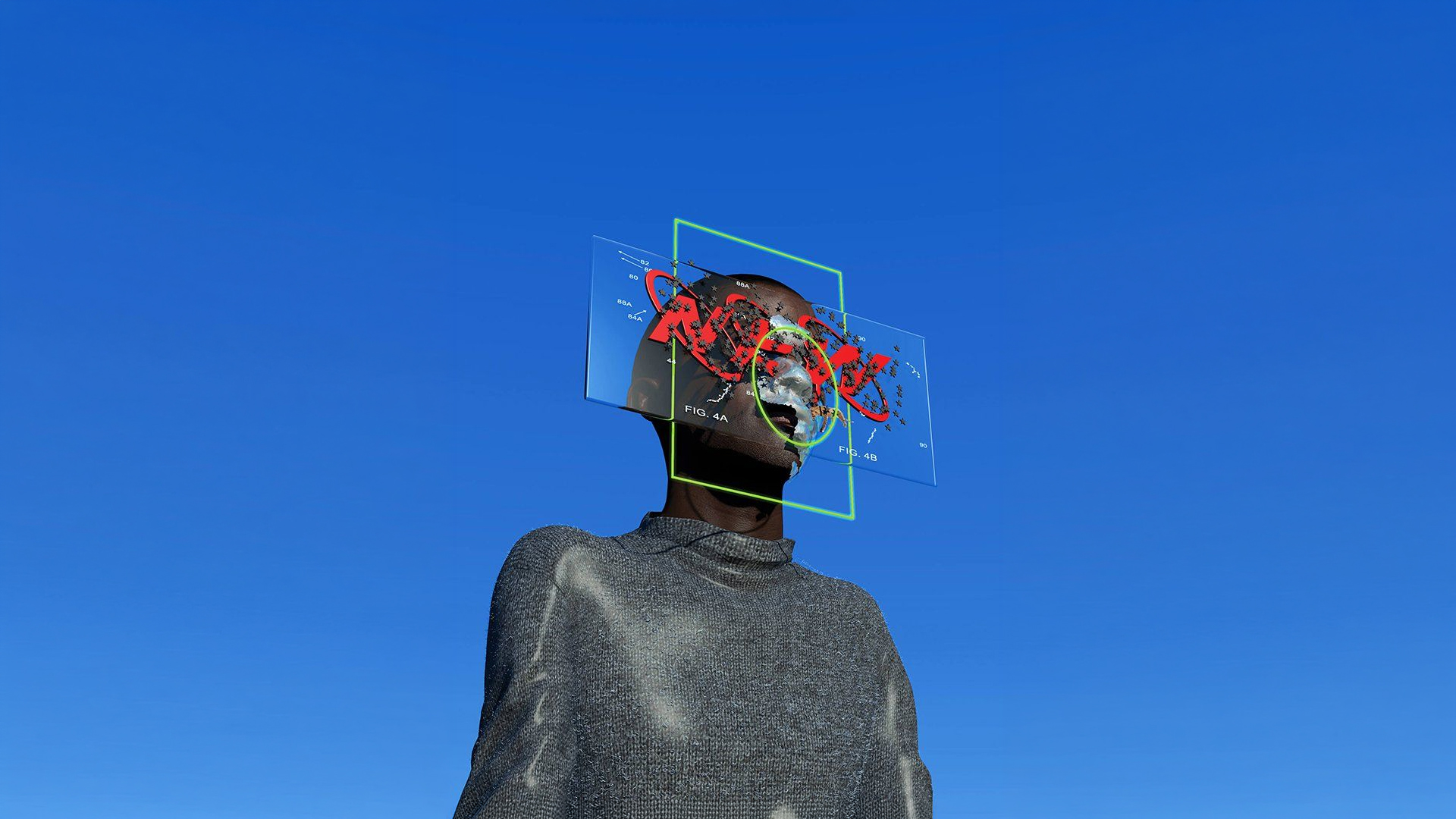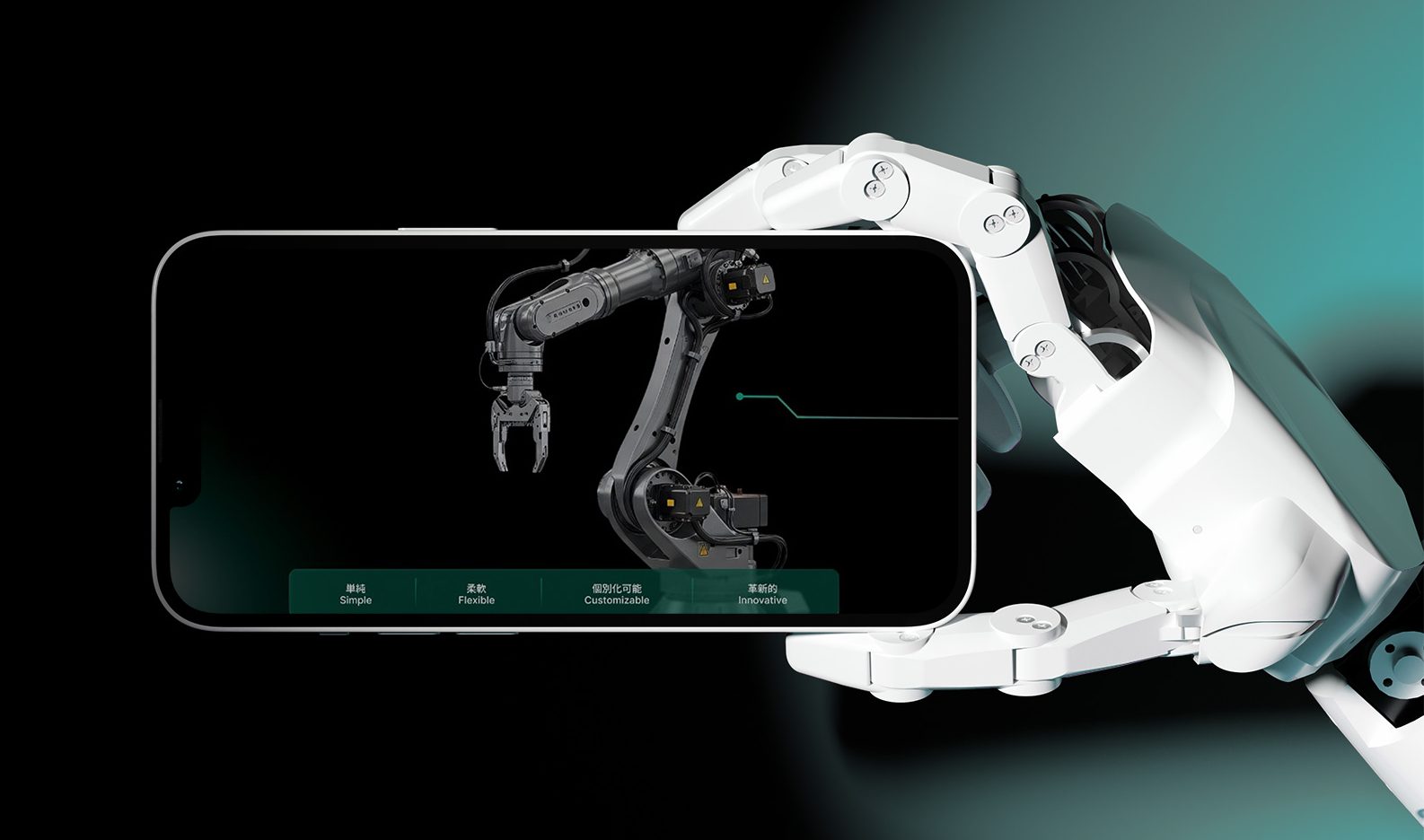
A student design project developed the brand and UX/UI strategy for the EXIST-funded robotics startup Botfellows, which originates from the Fraunhofer environment. The focus was on the challenge of communicating a new and technologically complex market in a clear language and visual design.

Robotics is one of the most dynamic, but also most complex, technology fields of our time. In a hands-on student project at Macromedia University in Leipzig, 30 of my design students developed a holistic brand and design strategy for the robotics startup Botfellows, which creates solutions for the safe collaboration between humans and industrial robots. The project focused not only on visual design but first on establishing the strategic foundation of the design. Since the market for collaborative robotics is still young and strongly technology-driven, the students first had to analyze how the company could position itself regionally and nationally in Germany and how its technology could be communicated in an understandable way. Developing a clear design strategy therefore became the central task of the project itself.


Based on this foundation, the students created approaches for the brand identity, including tone of voice, claim, and key messages, as well as for the company’s communication measures and the digital interfaces of two software products.
“The main challenge was to establish a strategic foundation that translates the technological complexity of Botfellows into a clear and consistent brand identity. Early on, we realized that brand in this context is not just about visual design, but serves as a framework for everything that follows: from tone of voice and communication to UX and UI. The brand thus forms the foundation upon which all interactions are built, ensuring that the technology is not only understood, but also perceived as trustworthy and accessible.”
— Celine Sichting, Brand Design Lead


Particularly in the field of UX and UI, the challenge became clear: complex technical processes such as sensor systems, maintenance, automation, and AI-supported functions had to be abstracted in a way that allows users to intuitively understand them and remain able to trace them at all times. Current conditions in the labor market, combined with a significant shortage of skilled workers, pose new challenges for the industry. Employees can no longer invest large amounts of time learning complex software solutions or attending long-term training programs. Software interfaces must therefore be quick and easy to understand, transparent and traceable, modularly structured, and guided.
“While working on the interfaces, it quickly became clear that we were not just designing software. We were designing a service that helps people work with complex robotics and interact with it continuously. Our task as UX designers was therefore to abstract the technological processes to a point where they become understandable and trustworthy in use. Especially in such a new field, it becomes clear how important UX is as the connecting element between technology and users. And for the company behind the interface, this also means living up to that service promise.”
— Cornelius Weiß, UX Design Lead


“It was necessary to develop a visual language that not only simplifies complex robotic processes but translates them in a meaningful and structured way. We quickly realized that a node-based interface is essential to make these processes visible, modular, and intuitive to navigate. Our goal was to design a system that doesn’t feel like traditional software, but rather like an understandable dialogue between humans and machines, where relationships, dependencies, and workflows become clear at a glance. Especially in such a technology-driven environment, good UI not only provides orientation but builds trust and makes interaction with the technology truly accessible.”
— Jenny Knabe, UI Design Lead

Design abstraction is one of the core competencies in design practice. While generative AI tools can produce visual variations today, the development of such strategic translations and conceptual models remains a task that is strongly shaped by the human design process. This is something artificial intelligence still struggles with. The project demonstrates not only how design shapes and defines a company in the market, but also how it acts as a mediator between technology and its application. It also shows that strategic thinking is essential for making complex innovations accessible, understandable, and ultimately possible. For such demanding challenges, choosing the right methodological approach is essential.
“Especially in a technologically complex field like robotics, the value of Design Thinking as a method becomes clear. It helps to first ask the right questions, shift perspectives, and truly understand the needs of future users. For the students, an important learning was that strategy is not something static: through research, prototyping, and testing, it can — and must — be continuously questioned and adapted. Design Thinking creates exactly this framework: a way of working that allows assumptions to be tested and strategies to evolve iteratively.”
— Prof. Tino Schwanemann
A student project at Macromedia University developed a strategic brand and UX/UI concept for the robotics startup Botfellows. Focusing on human–robot collaboration, the team translated complex technology into clear communication, intuitive interfaces, and a cohesive identity with demonstrating how design thinking enables accessibility, trust, and usability in emerging, highly technical fields. The robotics startup Botfellows will implement the design in the coming months from April 2026 on.


The Design program at Macromedia University combines design fundamentals with a strong practical focus. Students regularly work on real-world projects with companies, startups, and research partners, learning to understand design not only as an aesthetic discipline but as a strategic tool. The program emphasizes contemporary methods and the development of holistic concepts: skills that play an especially important role today in technology-driven fields.