On the Parallels Between Flusser’s Media Theory and Contemporary Digital Practices
Contemporary visual culture is increasingly shaped by interfaces, generative systems, real-time data, and algorithmic processes. Design no longer appears primarily as the production of finished objects, but rather as the organization of dynamic systems that react to input, behavior, and environmental conditions. In this context, the media theory of Vilém Flusser has gained renewed relevance.
Podcast on Spotify
“Apparatuses were invented to simulate specific thought processes.” Vilém Flusser
What makes Flusser particularly significant today is that he understood technological images not merely as images produced through technical means, but as products of apparatuses and programs. For Flusser, images are no longer directly tied to human experience in the traditional sense. They emerge within predefined technical systems that structure both the production of images and the conditions of perception itself.


This distinction appears remarkably precise when examining many contemporary positions within digital art, generative design, and computational aesthetics.


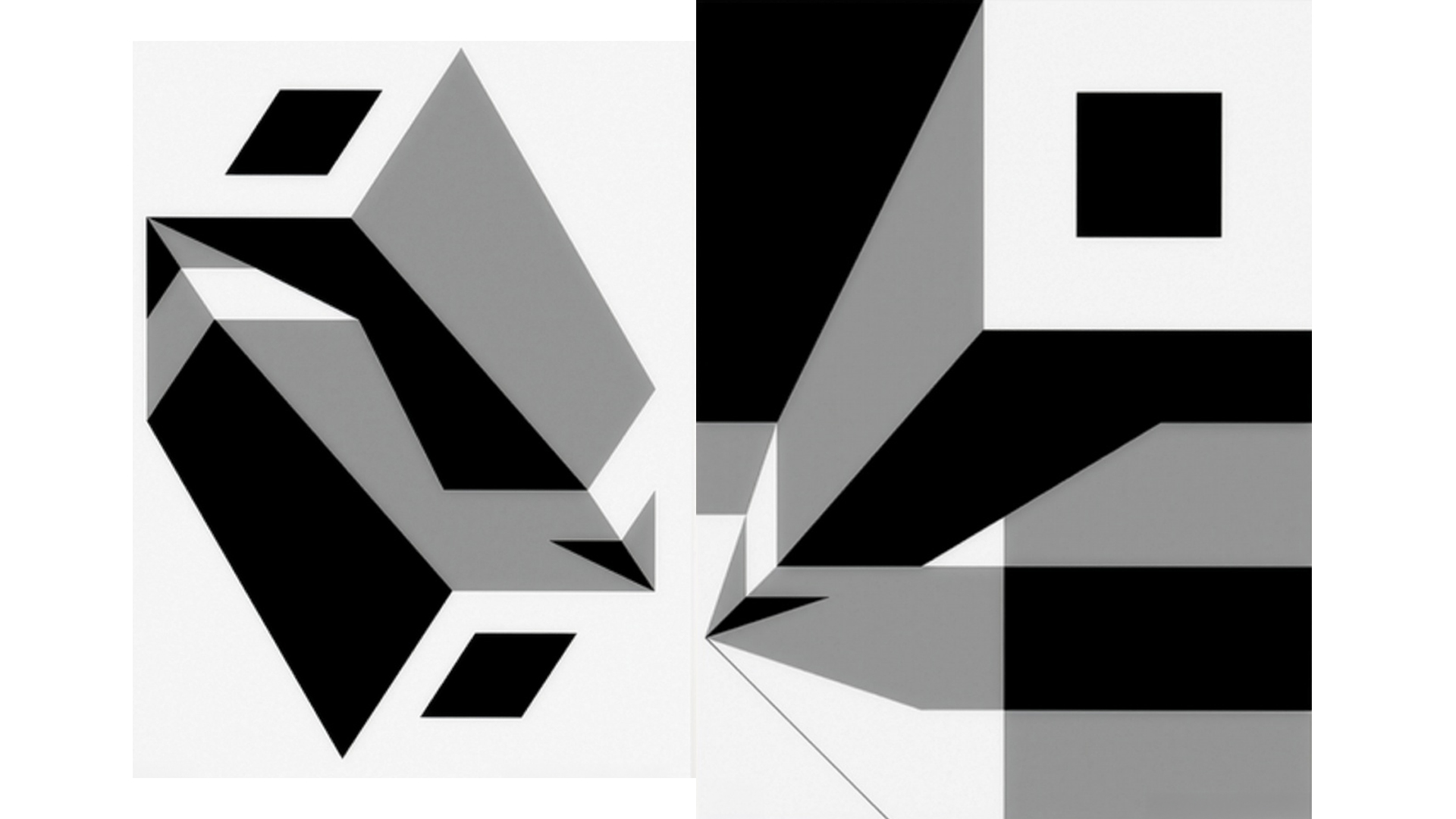
The work of Defasten, for example, often operates less as classical graphic composition and more as the visible state of a system. Grids, motion, modular interfaces, and generative structures function not as decorative surfaces, but as manifestations of programmed relationships. Design becomes organizational rather than representational.
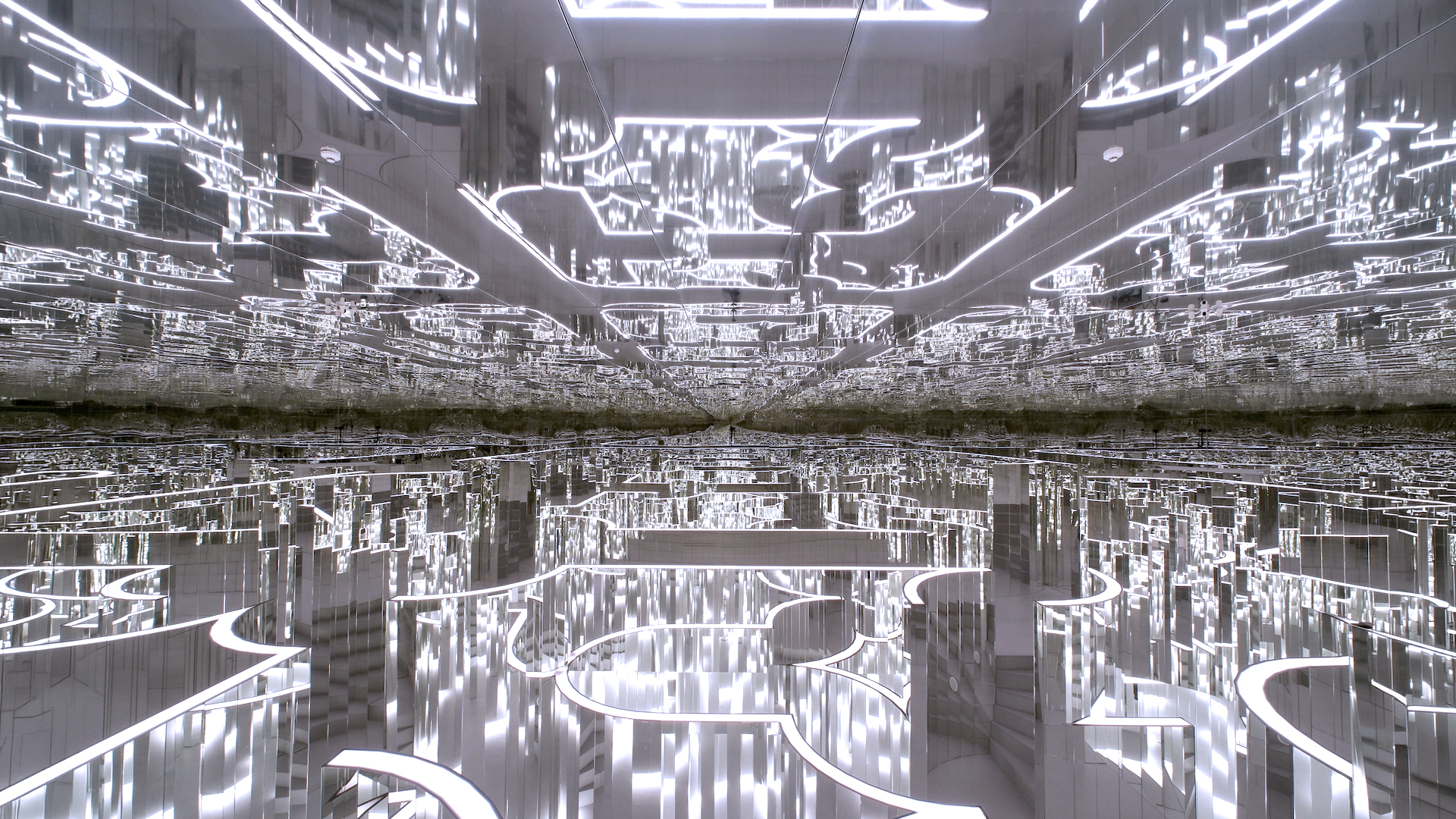
A similar logic can be observed in the work of Refik Anadol. His large-scale AI-generated environments no longer present fixed images, but continuously evolving data spaces. The image becomes fluid, statistical, and processual. Perception is organized through computational systems operating in real time. What emerges is less a stable visual object than a constantly recalculated perceptual condition.


Comparable tendencies can also be found in the work of Ryoji Ikeda. Ikeda uses data, frequencies, numerical structures, and signal processes as aesthetic material. His installations reduce visual language to information itself. The viewer no longer encounters representation in a conventional sense, but systems of abstraction operating at the threshold between perception and computation.


This transition from object to process is equally visible in generative design practices associated with Casey Reas. In these systems, code functions as the primary design material. The designer no longer determines a singular image directly, but defines behavioral rules, parameters, and procedural relationships from which images emerge. Flusser anticipated precisely this condition through his concept of the program. The apparatus does not determine individual images, but rather the field of possible images.


What interests me in this context is less the formal appearance of these works than the broader cultural shift they represent.

Flusser described human beings within technical systems as “functionaries of the apparatus.” This formulation is often misunderstood as a pessimistic rejection of technology. In fact, Flusser was describing a structural transformation of creative practice itself. Designers, artists, and image producers no longer operate outside technological systems, but within the logic of programs, interfaces, and operational frameworks. This observation appears increasingly relevant in contemporary design culture.
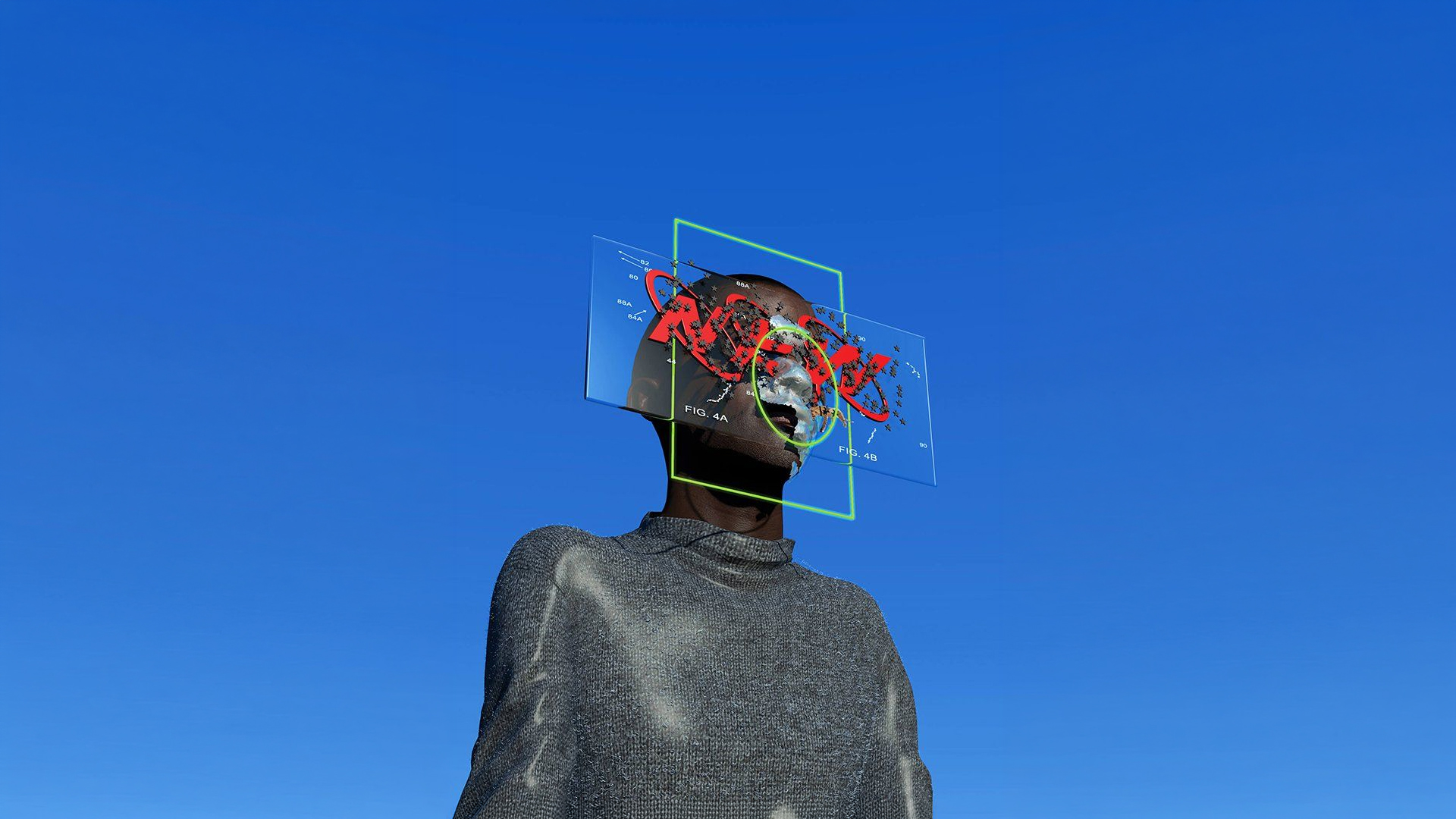
Many current digital systems are no longer object-oriented but system-oriented. Designers do not primarily create forms, but conditions, behaviors, and probabilities. Interfaces are not neutral carriers of information. They actively organize perception, attention, and interaction. At the same time, Flusser’s theory contains an important ambivalence. Technical images possess a double potential. They can expand perception and enable new forms of visual thinking. Simultaneously, they risk stabilizing human behavior within programmed systems whose operational structures remain largely invisible. This tension defines much of today’s digital visual culture.


Generative systems appear open, dynamic, and fluid. Yet every variation remains bound to the logic of the underlying apparatus. The viewer moves within a programmed field of possibilities whose rules are already predefined.
This becomes particularly visible in the context of contemporary AI systems. Many current interfaces and visual environments increasingly operate through prediction, pattern recognition, and probabilistic modeling. Design becomes part of operational systems that anticipate behavior, organize attention, and reduce uncertainty.


Flusser described this transformation decades before the emergence of contemporary AI discourse. His theory of technical images was ultimately also a theory of how perception itself changes under technological conditions. For this reason, the relevance of many contemporary digital practices lies not solely in their visual aesthetics, but in the way they reveal shifting relationships between image, apparatus, interface, and human agency. And it is precisely at this point that Flusser’s work appears remarkably contemporary once again.
References
Anadol, R. (n.d.). Refik Anadol Studio.
Flusser, V. (1983). Für eine Philosophie der Fotografie. Andreas Müller Verlagsgesellschaft.
Ascott, R. (1968). The cybernetic stance: My process and purpose. Leonardo, 1(2), 105–112.
Casey Reas. (n.d.). Casey Reas. Casey Reas Official Website
Defasten. (n.d.). Defasten.
Flusser, V. (1983). Towards a philosophy of photography (A. Mathews, Trans.). Reaktion Books. (Original work published 1983)
Flusser, V. (2011). Into the universe of technical images (N. A. Roth, Trans.). University of Minnesota Press.
Ikeda, R. (n.d.). Ryoji Ikeda. Ryoji Ikeda Official Website
Manovich, L. (2001). The language of new media. MIT Press.
Paul, C. (2015). Digital art (3rd ed.). Thames & Hudson.
Reas, C., & Fry, B. (2007). Processing: A programming handbook for visual designers and artists. MIT Press.
Weibel, P. (Ed.). (2005). Future cinema: The cinematic imaginary after film. MIT Press.